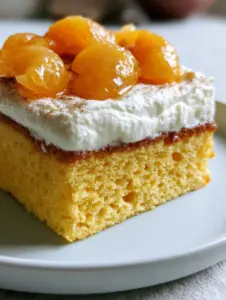
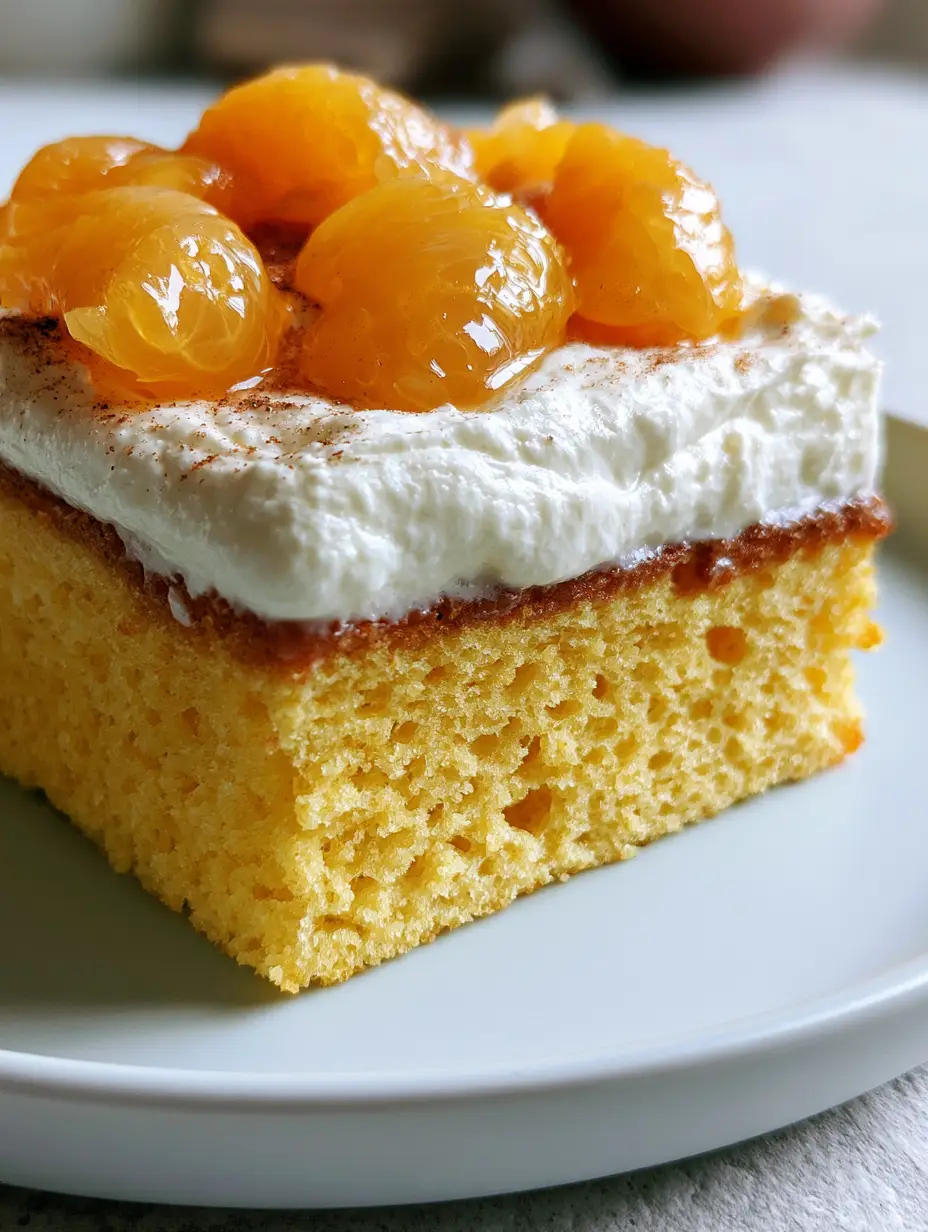
The Fantakuchen is perhaps the most iconic “party cake” in German culinary culture. Often served at birthdays, school festivals, and Sunday coffee gatherings, this vibrant dessert defies expectations by using orange soda as its secret weapon. The result is a golden-yellow Fanta sponge cake with a legendary airy crumb that feels like biting into a citrus-scented cloud.
What sets this particular version apart is the meticulous layering. We aren’t just making a simple sheet cake; we are engineering a masterpiece of textures. From the porous base foundation to the thick white Schmand topping, every element is designed to provide a refreshing, creamy, and fruity experience that balances sweetness with a tangy finish.
Why This German Orange Soda Cake Is a Crowd Favorite
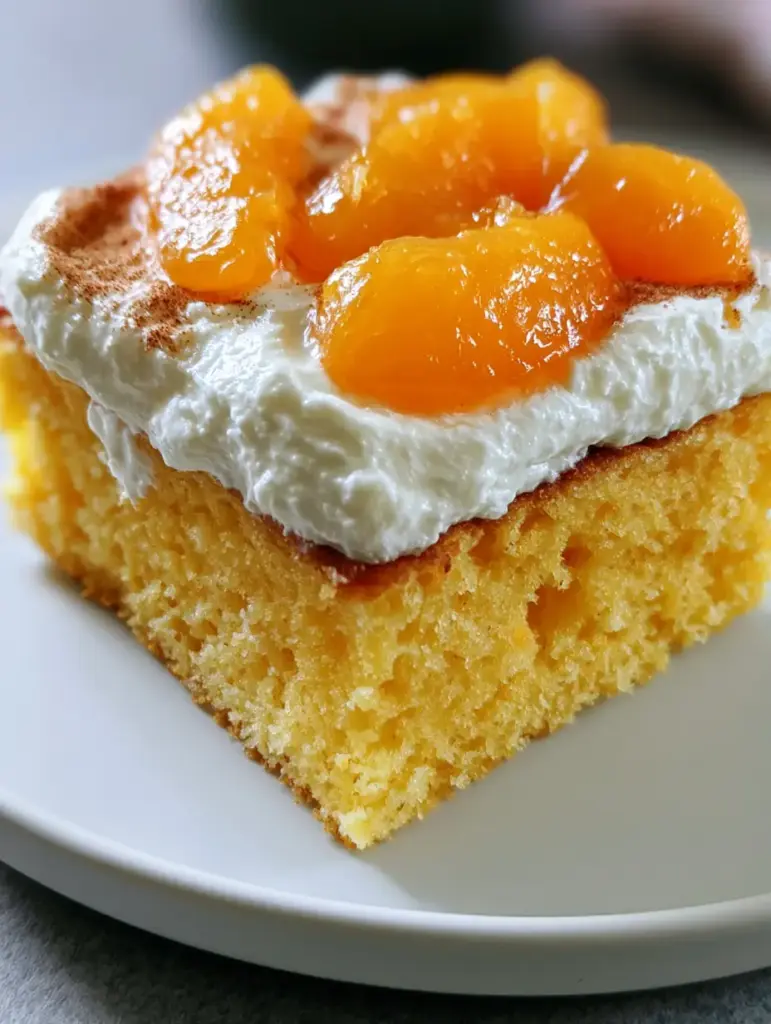
- The Carbonation Factor: The fizz from the Fanta acts as a secondary leavening agent, creating tiny air bubbles that make the sponge exceptionally light and porous.
- Velvety Schmand Layer: Unlike heavy American frostings, this chilled sour cream frosting is dense, glossy, and perfectly offset by the juicy canned mandarin orange segments.
- Visual Elegance: A light cinnamon-sugar dusting provides a subtle aromatic warmth and a beautiful matte finish to the glistening cream surface.
- Effortless Preparation: Despite its professional “macro-photo” appearance, this is a remarkably approachable recipe for home cooks of all skill levels.
If you enjoy exploring unique regional desserts like this one, you might also find yourself craving the balanced sweetness of our classic brown sugar chocolate chip cookies or the zesty refreshment of a coconut key lime pie smoothie.
Essential Ingredients for the Perfect Fantakuchen Sponge
To achieve the specific golden-yellow hue and moist cake texture seen in the visual blueprint, we must select high-quality ingredients that perform under heat. The chemistry of the sponge relies on the interaction between the acidic soda and the lifting agents.
The Golden Sponge Foundation
4 large eggs (200g): Eggs provide the structural protein needed to hold the air bubbles in place while contributing to the vibrant yellow color of the crumb.
1 cup (200g) granulated sugar: This provides sweetness and helps tenderize the crumb by retaining moisture during the baking process.
1 tsp (5ml) vanilla extract: A foundational aromatic that bridges the gap between the citrus notes of the soda and the creaminess of the topping.
1/2 cup (120ml) neutral vegetable oil: Oil ensures the cake remains moist even when chilled, preventing the sponge from becoming tough or dry in the refrigerator.
1 cup (240ml) Fanta (Orange Soda): The star ingredient. The carbonation provides lift, while the orange flavoring infuses the entire base with a nostalgic citrus aroma.
2 ½ cups (350g) all-purpose flour: Provides the necessary gluten structure to support the weight of the thick cream topping.
3 tsp (15g) baking powder: The primary leavening agent that works in tandem with the soda bubbles for maximum fluffiness.
The Secrets of the Thick White Schmand Topping
The middle layer of a true Fantakuchen is a dense, velvety white Schmand frosting. In Germany, Schmand is a high-fat sour cream. To replicate this globally, we use a specific blend to achieve that slightly glossy, thick consistency.
2 cups (480ml) heavy whipping cream: This must be chilled to ensure it whips into stiff peaks, providing the volume for the layer.
2 packets (16g) cream stabilizer (Sahnesteif): Essential for keeping the frosting thick and prevented it from weeping or sliding off the cake.
2 cups (450g) sour cream or Crème Fraîche: This adds the signature tang and density, creating the “velvety” mouthfeel described in the visual prompt.
1/4 cup (50g) powdered sugar: A light touch of sweetness to balance the tartness of the sour cream.
The Garnish and Finish
2 cans (approx. 300g each) mandarin orange segments: These must be thoroughly drained. Their juicy, glistening appearance is the focal point of the topping.
1 tsp (2g) ground cinnamon mixed with 1 tbsp (12g) sugar: This sparse dusting provides the final sensory cue, cutting through the richness of the cream.
Professional Equipment for Bakery-Quality Results
To ensure your Fantakuchen looks like a professional food photograph, you will need a few specific tools. A standard 9×13 inch (23x33cm) rectangular baking pan with high sides is vital for containing the thick layers.
A stand mixer or high-powered hand mixer is required to aerate the eggs sufficiently. For the topping, an offset spatula will help you achieve that perfectly flat, velvety white surface before nestling the mandarin segments into the cream.
Step-by-Step Instructions for the Ultimate Fantakuchen
Phase 1: Crafting the Porous Golden Sponge
Start by preheating your oven to 350°F (175°C). Grease your baking pan thoroughly. In a large bowl, beat the eggs and granulated sugar for at least 5 minutes. You are looking for a visual cue: the mixture should triple in volume and turn a pale, creamy yellow.
Slowly stream in the vegetable oil and the Fanta. You will notice the batter start to fizz and bubble—this is exactly what you want for that airy crumb. Sift the flour and baking powder together, then gently fold them into the wet ingredients using a spatula. Do not overmix, or you will deflate those precious air bubbles.
Pour the batter into the pan and bake for 25-30 minutes. The cake is done when it is golden-yellow and a toothpick inserted into the center comes out clean. Let the cake cool completely. A warm cake will melt the Schmand topping instantly.
Phase 2: Preparing the Velvety Schmand Frosting
In a chilled bowl, whip the heavy cream and stabilizer until very stiff peaks form. In a separate bowl, whisk the sour cream and powdered sugar until smooth and glossy. Gently fold the whipped cream into the sour cream mixture.
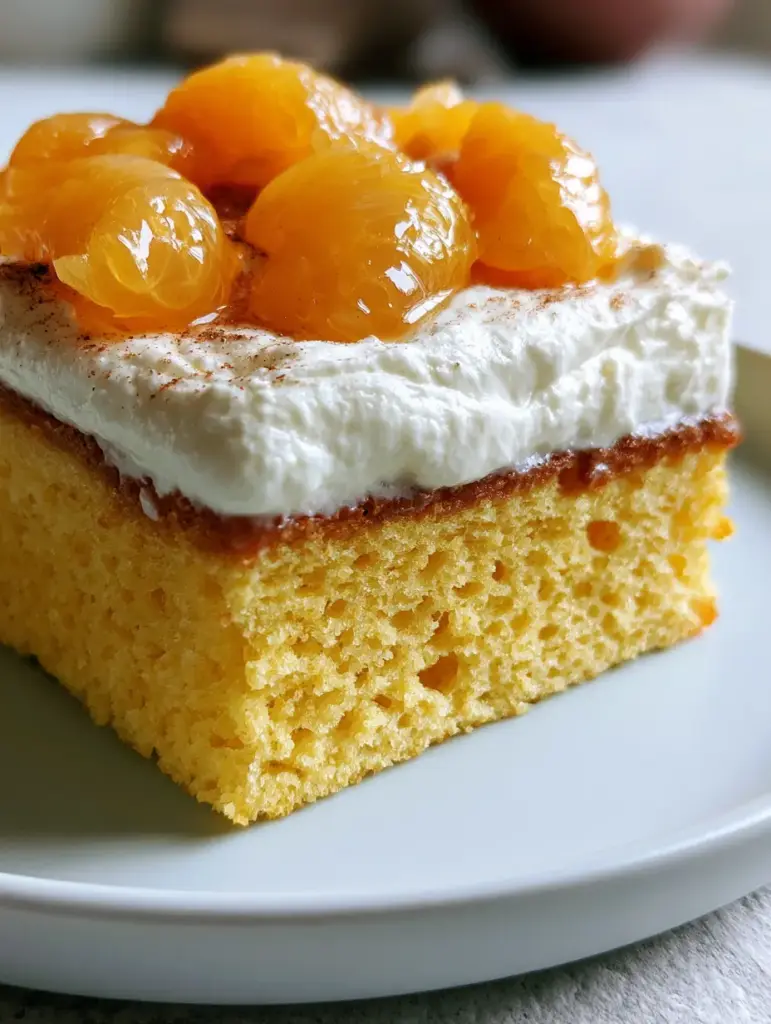
Spread the thick white frosting over the cooled cake using an offset spatula. Aim for a dense, even layer that completely hides the sponge foundation. The surface should be slightly glossy under natural daylight.
Phase 3: The Mandarin Arrangement and Final Dusting
Pat your drained mandarin segments dry with a paper towel to prevent excess moisture from pooling on the cream. Nestled several bright, juicy mandarin orange segments into the cream in neat rows or a decorative pattern. They should look glistening and fresh.
Finally, mix your cinnamon and sugar. Use a fine-mesh sieve to apply a very fine, sparse dusting over the entire surface. This adds a beautiful contrast to the bright oranges and white cream.
Expert Tips for Success
- Temperature Control: Ensure your heavy cream and sour cream are ice-cold. This is the only way to achieve the dense, velvety texture without it becoming runny.
- Drain the Fruit: If the mandarins are too wet, they will create “craters” in your frosting. Patting them dry is a crucial forensic detail for the visual result.
- The “Fizzy” Rule: Use a freshly opened bottle of Fanta. Flat soda will result in a dense, gummy cake rather than a porous, fluffy sponge.
- Chill Before Serving: Let the completed Fantakuchen rest in the fridge for at least 2 hours. This allows the flavors to meld and the topping to set firmly for those clean, thick slices.
Storage and Freshness Guidelines
Because of the dairy-heavy topping, this cake must be stored in the refrigerator. Cover it loosely with foil or a cake dome to prevent the cream from absorbing other fridge odors. It will stay fresh and delicious for up to 3 days. While the sponge holds up well, the mandarin segments may lose some of their glisten after 48 hours.
We do not recommend freezing the completed cake, as the sour cream topping can change texture upon thawing. However, you can freeze the unadorned sponge layer for up to a month.
What to Serve With This Classic German Treat
This cake is a refreshing afternoon snack, but if you’re hosting a full spread, consider balancing the sweetness with savory options. It pairs beautifully after a meal of spicy jambalaya or alongside a fresh viral cucumber salad for a summer brunch.
For a cozy evening, serve a slice of Fantakuchen following a comforting dish like cheeseburger pie or vegetable lasagna. The citrus notes act as a wonderful palate cleanser.
Frequently Asked Questions
Canned mandarins are preferred because they are peeled, seedless, and have a consistent sweetness and soft texture that blends perfectly with the velvety cream topping.
The cake has a subtle, nostalgic citrus aroma rather than a strong soda flavor. The Fanta is primarily used for its carbonation, which creates the signature airy and porous sponge texture.
Absolutely! It is a staple at German children’s birthday parties because of its bright color, sweet orange flavor, and fun ‘secret ingredient’ soda.
Schmand is a high-fat German sour cream. You can substitute it by mixing equal parts full-fat sour cream and crème fraîche, or by using a thick Greek yogurt mixed with a little heavy cream.
Frosting becomes runny if the heavy cream isn’t whipped to stiff peaks or if the cake was still warm when frosted. Using a cream stabilizer (Sahnesteif) is essential for the thick, dense layer.
Authentic German Fantakuchen Recipe Card
Fantakuchen: The Authentic German Orange Soda Cake Recipe
Ingredients
Equipment
Method
- Beat eggs and sugar for 5 minutes until pale yellow and tripled in volume.
- Slowly mix in the oil and Fanta, maintaining the carbonated bubbles.
- Gently fold in sifted flour and baking powder until just combined.
- Bake at 350°F (175°C) for 25-30 minutes until golden-yellow and porous. Cool completely.
- Whip heavy cream with stabilizer until very stiff peaks form.
- Whisk sour cream and powdered sugar, then fold in the whipped cream for a velvety texture.
- Spread cream over cake, top with juicy mandarins, and finish with a sparse dusting of cinnamon sugar.
Notes
Pat the mandarins dry with paper towels to ensure they glisten without watering down the cream.
Closing & Call to Action
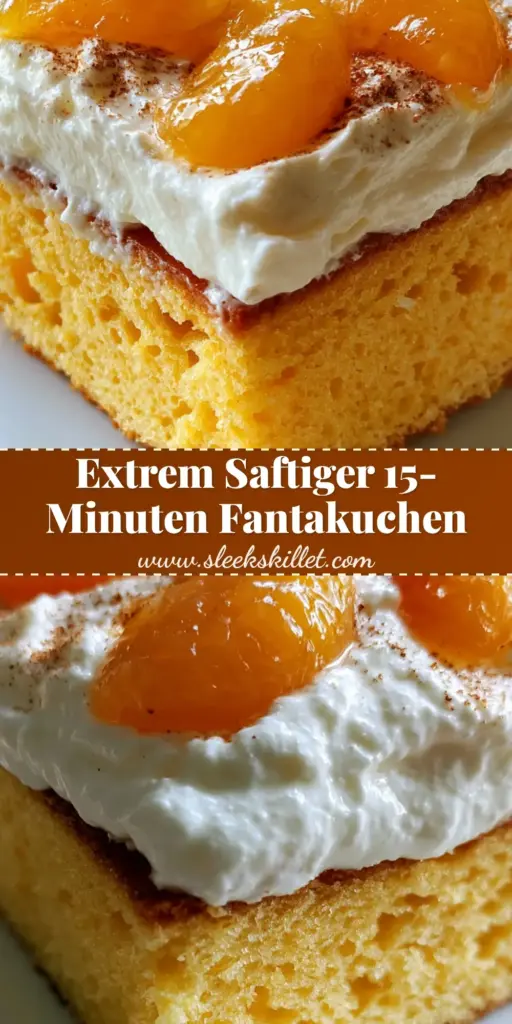
The Fantakuchen is more than just a cake; it is a celebration of texture and bright, sunny flavors. From the first sight of those glistening mandarins to the final bite of the fluffy golden sponge, it never fails to impress. If you make this recipe, please leave a comment below and let us know how the Schmand layer turned out!
Don’t forget to share your beautiful slices on Pinterest and tag us so we can see your culinary forensic masterpieces. For more inspired baking, check out our favorite cookie recipes!