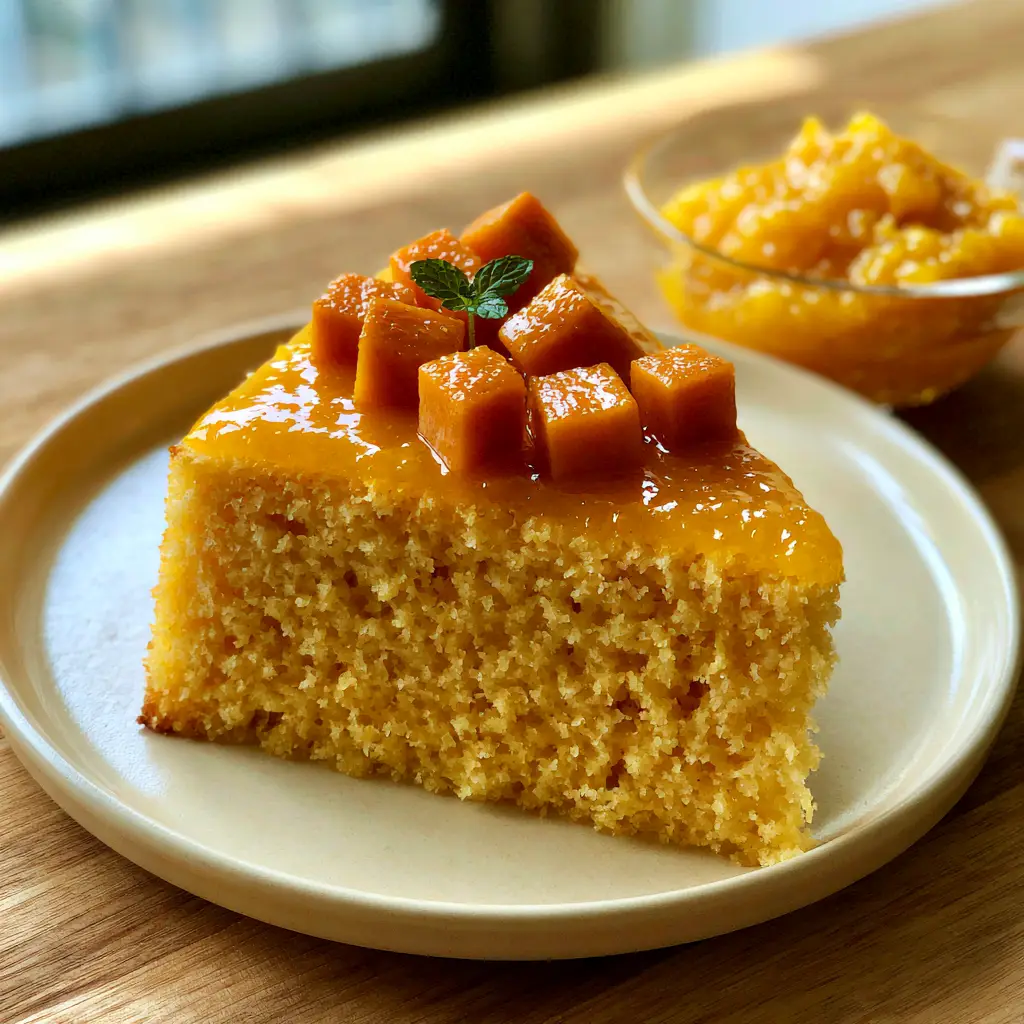
Mango Cakes represent the pinnacle of tropical dessert engineering, blending the delicate, ethereal texture of a professional sponge with the intense, sun-drenched sweetness of the Alfonso mango. This recipe isn’t just a dessert; it is a visual and sensory journey that captures the essence of a sun-drenched kitchen, as seen in our stunning macro photography. By focusing on a light, airy crumb and a high-gloss reduction, we create a cake that is as structurally sound as it is beautiful.
The secret to these Mango Cakes lies in the dual-layered mango approach: a concentrated reduction that provides a mirror-like finish and a thick fruit paste that offers a deep, jammy contrast. Every bite delivers a symphony of textures, from the aerated sponge to the firm, neat cubes of perfectly ripe fruit. Whether you are a seasoned baker or an enthusiastic home cook, this guide will walk you through the culinary science required to achieve that uniform golden-yellow hue and the “unedited” handheld aesthetic of a professional food blog.
The Signature Profile of Our Aerated Mango Sponge
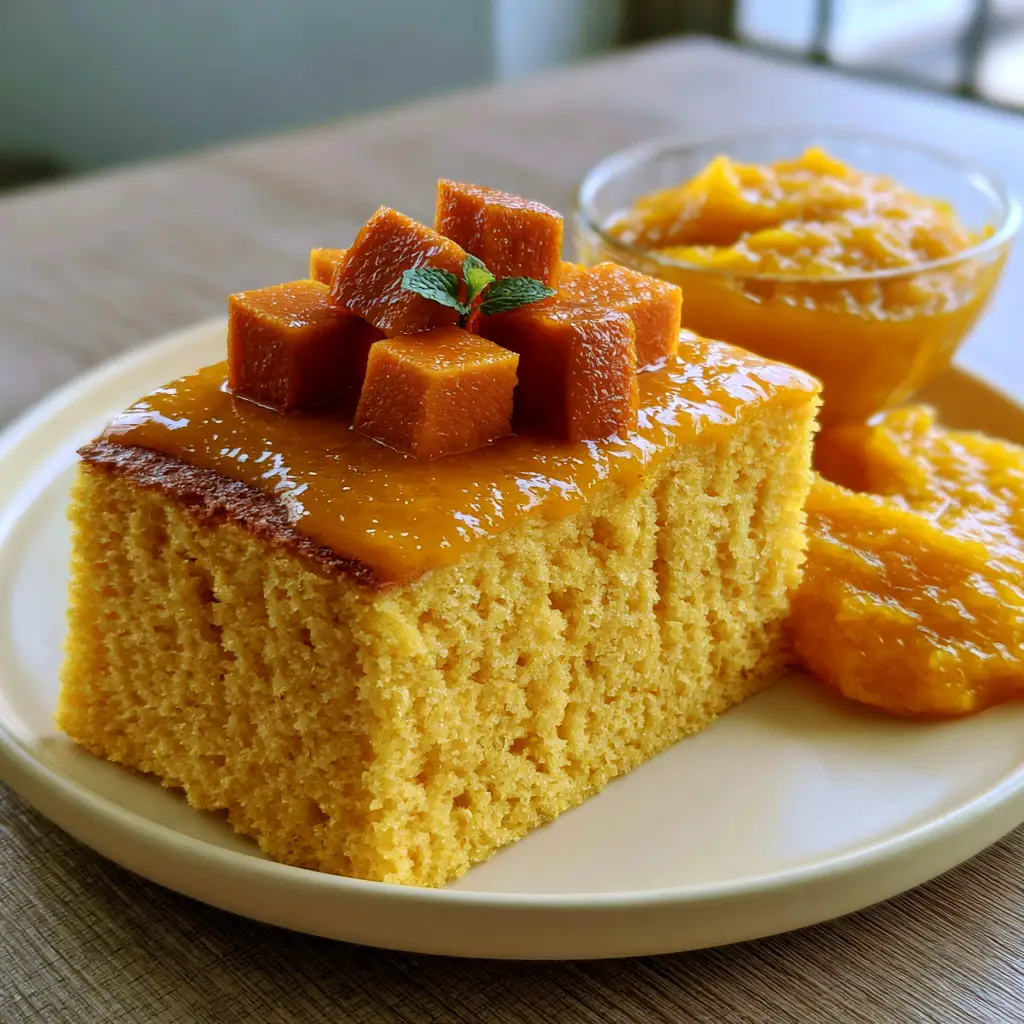
- Ultra-Light Crumb Structure: We utilize a specific foaming method to ensure the sponge is filled with tiny, uniform air bubbles for a cloud-like mouthfeel.
- Alfonso Intensity: By using Alfonso mango cubes, known as the “King of Mangoes,” we achieve a deep orange color and a floral sweetness that standard mangos cannot replicate.
- Concentrated Mirror Glaze: A thick, non-watery mango reduction that creates a professional, glossy top layer.
- The “Mango Gold” Contrast: A side-serving of thick fruit paste that allows guests to customize the intensity of their mango experience.
- Minimalist Presentation: Served on a matte ceramic plate with a tiny mint sprig to ensure the vibrant fruit remains the focal point.
The Essential Components for Vibrant Mango Cakes
Large Eggs (Room Temperature): These are the structural foundation of your sponge. Whisking them at room temperature allows for maximum protein elasticity and air entrapment.
Granulated Sugar: Beyond sweetness, sugar stabilizes the egg foam. It helps create the golden-yellow hue through light caramelization during the baking process.
Cake Flour: 1 ½ cups (190g) of cake flour provides a lower protein content than all-purpose. This ensures the Mango Cakes remain tender rather than chewy.
Alfonso Mango Puree: ½ cup (120ml) is folded into the batter. This provides the natural vibrant color and the foundational tropical flavor profile.
Baking Powder: 1 tsp (5g) acts as a scientific insurance policy. While the eggs provide lift, the baking powder ensures a perfectly uniform rise without large air pockets.
Fresh Alfonso Mangos: 2 large mangos, peeled and diced into neat cubes. These must be perfectly ripe to provide the deep orange contrast seen in the visual blueprint.
Mango Reduction Glaze: 1 cup (240ml) of mango puree simmered with sugar. This must be reduced by half to achieve the thick, glossy, concentrated finish that doesn’t soak into the cake.
Mint Sprigs: Used sparingly as a garnish. A single tiny sprig provides a pop of green that makes the golden-yellow cake “pop” on the ceramic plate.
Tools Required for Culinary Precision
To achieve the macro-shot perfection of these Mango Cakes, you will need a stand mixer with a whisk attachment for proper aeration. A fine-mesh sieve is essential for aerating the flour and removing lumps. For the glaze, a heavy-bottomed stainless steel saucepan ensures even heat distribution, preventing the mango sugars from scorching. Finally, use a sharp chef’s knife to create those perfectly neat, uniform mango cubes that define the cake’s topping.
Mastering the Golden Aerated Sponge
Achieving the Perfect Egg Foam
Begin by beating your eggs and sugar on high speed for at least 8-10 minutes. You are looking for the “ribbon stage,” where the mixture is pale, thick, and falls back into the bowl in slow, trailing ribbons. This is the primary source of lift for your Mango Cakes.
Gently fold in the room-temperature mango puree. Use a large spatula and a “cut and fold” motion to avoid deflating the air you just worked so hard to incorporate. The batter should look voluminous and vibrant.
Sifting and Folding the Dry Ingredients
Sift the cake flour and baking powder twice. This ensures that no heavy clumps weigh down the aerated batter. Fold the dry ingredients into the egg mixture in three separate additions.
Watch for visual cues: the batter should remain light and fluffy. If the batter becomes liquid or thin, the air has been lost. Stop folding as soon as no flour streaks remain to prevent gluten development.
Baking for a Uniform Golden Hue
Pour the batter into a lined cake pan and bake at 350°F (175°C). The cake is done when the edges slightly pull away from the pan and the top springs back when lightly touched. It should have a vibrant golden-yellow hue, perfectly matching our visual blueprint.
Creating the Concentrated Mango Reduction and Fruit Paste
The High-Gloss Mango Glaze
Combine mango puree and a touch of lemon juice in a saucepan. Simmer over medium-low heat, stirring constantly. You are looking for a scientific reduction—evaporating the water content until the sugars concentrate into a thick, glossy glaze.
Test the consistency: the glaze should coat the back of a spoon without running off. If it is watery, it will soak into the sponge and ruin the aesthetic. Once thickened, let it cool completely before pouring over the cake.
The “Mango Gold” Fruit Paste
In a separate small pot, cook down mango puree with a higher concentration of sugar and a pinch of pectin. Continue cooking until it reaches a thick, jam-like consistency that holds its shape. This is served on the side in a small glass bowl, providing a “vibrant Mango Gold” accent to the dish.
Expert Tips for Success with Mango Cakes
- Check Your Mango Maturity: Only use mangos that yield slightly to pressure; underripe fruit will be too fibrous and lack the deep orange color.
- Room Temperature Ingredients: Ensure eggs and puree are not cold, or they will break the emulsion of the cake batter.
- The Cooling Process: Allow the sponge to cool completely before glazing. If the cake is warm, the glaze will thin out and lose its mirror-like finish.
- Precision Dicing: For the “neatly arranged” look, use a ruler to ensure your Alfonso cubes are exactly ½ inch (1.25cm) on all sides.
Storage, Reheating, and Freezing Advice
Mango Cakes are best enjoyed the day they are made to preserve the airiness of the sponge. However, you can store leftovers in an airtight container in the refrigerator for up to 3 days. The glaze will maintain its gloss if kept cool. For longer storage, freeze the unglazed sponge wrapped tightly in plastic wrap for up to a month. Thaw at room temperature before adding the fresh reduction and Alfonso cubes.
What to Serve With These Tropical Delights
To create a full tropical spread, consider pairing these cakes with other fruit-forward desserts. A mango mousse cake offers a creamier alternative, while a mango crepe cake provides a stunning layered visual. If you are looking for something more traditional, the soaked texture of a mango tres leches cake is a crowd-pleaser.
For a refreshing beverage pairing, try serving these alongside passion fruit martini cupcakes at your next garden party. The acidity of the passion fruit cuts through the density of the mango reduction beautifully.
Frequently Asked Questions
While frozen mango can be used for the puree and reduction, fresh Alfonso mangos are highly recommended for the diced topping to maintain the structural integrity and vibrant orange color seen in the photos.
You must simmer the mango puree until it reduces by at least half. This evaporates excess water and concentrates the natural pectins and sugars for a thick, glossy finish.
If Alfonso mangos are unavailable, Ataulfo (Honey) mangos are the best substitute due to their lack of fiber and high sugar content, which provides a similar golden-yellow hue.
Deflation usually occurs if the egg and sugar mixture wasn’t beaten to the ‘ribbon stage’ or if the dry ingredients were folded in too aggressively, breaking the air bubbles.
The Ultimate Mango Cakes Recipe
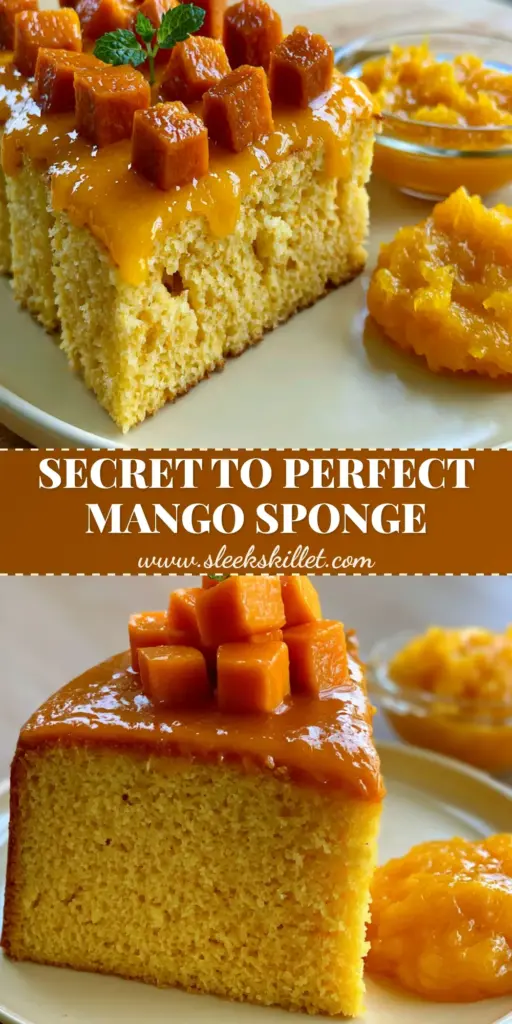
Mango Cakes with Concentrated Alfonso Glaze and Thick Mango Gold Paste
Ingredients
Equipment
Method
- Whisk eggs and sugar on high speed for 8-10 minutes until the ribbon stage is reached and the mixture is pale and voluminous.
- Gently fold in the ½ cup of mango puree using a spatula, ensuring the airy structure is maintained.
- Sift in the cake flour and baking powder in three stages, folding gently after each addition until no streaks remain.
- Pour into a lined 8-inch pan and bake at 350°F (175°C) for 30-35 minutes until golden-yellow and springy to the touch.
- Combine remaining puree and sugar in a saucepan. Simmer over medium-low heat until reduced by half and glossy.
- Pour the cooled glaze over the cooled cake, allowing it to form a thick, glossy layer.
- Arrange Alfonso mango cubes neatly on top. Add a tiny mint sprig and serve with a side of Mango Gold paste.
Notes
Ensure all sponge ingredients are at room temperature to prevent deflation.
Final Thoughts on the Perfect Mango Dessert
These Mango Cakes are the ultimate expression of summer baking, combining technical sponge-making with the raw beauty of Alfonso mangos. By following our scientific approach to aeration and reduction, you will create a dessert that looks exactly like a professional macro photograph. Don’t forget to capture your creation and share it with us!
If you loved this recipe, please leave a comment below and share your results. For more culinary inspiration and high-RPM recipes, follow us on Pinterest and sign up for our weekly newsletter.